We think speed solves problems. But in reality, acting too fast can close doors.
Origins & Personal Awakening
When did global injustice stop being an abstract concept for you and become something personal?
Growing up, I was lucky enough to travel a lot. And travel does something to you – it makes inequality impossible to ignore. I noticed it early: the gap between the world I came from and what I saw elsewhere. A close friend's father was an ICRC delegate, and his stories stayed with me. After school, I volunteered with the Austrian Red Cross and spent time in Ecuador, working in a hospital. Those experiences compounded. At some point they stopped being experiences and became a direction. I knew I wanted to dedicate my work – and my life – to this.
Humanitarian work often starts with empathy, but it survives on discipline. What inner qualities did you have to build over time that didn't come naturally to you?
What I do with CYH is not frontline humanitarian work – I want to be clear about that. We're building a community, a bridge between the sector and the next generation. The discipline I've had to cultivate is resilience in the face of resistance: being told it won't work, falling down, getting up, moving forward anyway. That refusal to stop when things get hard is probably the quality I've had to build most consciously.
Time, Urgency & Humanitarian Reality
What does the public misunderstand most about how slow, careful humanitarian work actually needs to be?
The public often sees slowness as inefficiency. In reality, it is often responsibility. Organizations like the ICRC operate in extremely complex environments – every decision involves legal considerations, security risks, political sensitivities, and the safety of staff and affected populations. Acting too fast, without neutrality or trust, can close doors for years. Access is negotiated, not assumed. Trust is built over time. And once lost, it is almost impossible to regain. What looks slow from the outside is often what makes the work possible at all.
Do you think our global response to crises is driven more by media cycles than by human need?
Largely, yes. And it's one of the most uncomfortable truths in this sector. Funding follows visibility. When a crisis drops from the front page (becomes a “forgotten crisis”), so does the funding. The Rohingya crisis is a clear example – Yasmin Ullah, one of our YHS panelists, has spent years trying to keep international attention on a situation the world decided was "over." It isn't. We just stopped looking. That says everything about how we value time, attention, and whose suffering we consider urgent.
Career As Chapters In Time
If you had to divide your career into chapters, what would you call them?
Chapter One: Watching. Growing up adjacent to powerful institutions, understanding systems from the outside, learning how decisions are made without yet being in the room.
Chapter Two: Entry. Volunteering with the Red Cross, Ecuador, university, the ICRC traineeship. Learning that I had something to contribute – but also that the sector had walls. That young women were welcomed as volunteers, not as leaders.
Chapter Three: Building. Founding CYH. Understanding that if I wanted the room to exist, I would have to build it myself.
Chapter Four: Sustaining. This is where I am now. The harder work of holding something alive – financially, organizationally, personally – under real pressure, with real stakes.
Youth, Leadership & Systemic Friction
As co-founder and president of CYH, how do you reconcile youthful urgency with systems that resist change?
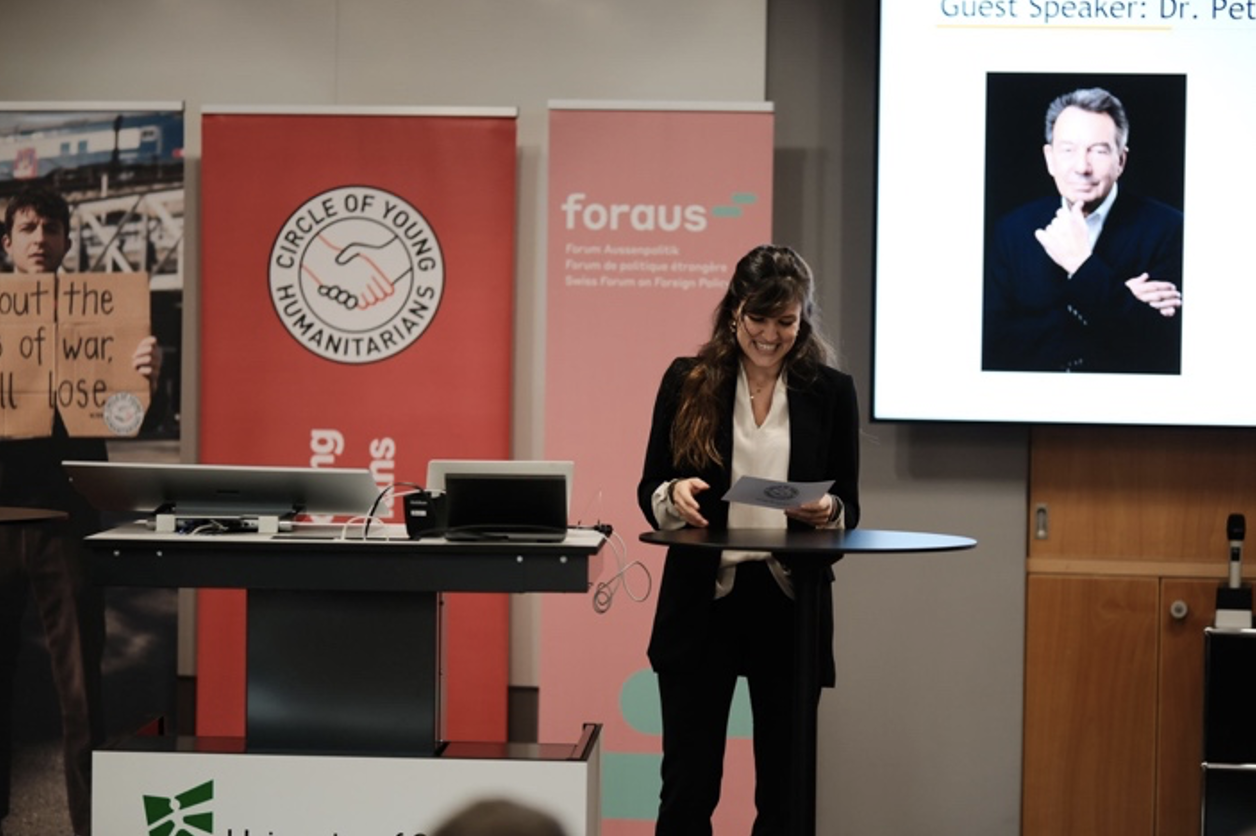
The theme of our last summit was "The Future of Humanitarianism" – and that question is exactly where this tension lives. We're not trying to replace or disrupt existing systems. We're adding a layer. But we're also pushing on the definition itself: where does humanitarianism start? We believe it starts long before a crisis – in how you lead a team, how a company makes decisions, how a community treats its most vulnerable members.
At CYH, we call this Skill Activation. Every person already has skills, knowledge, and a sphere of influence. A journalist who refuses to dehumanize. A lawyer who brings humanitarian reasoning into corporate decisions. A teacher who models dignity in how she handles conflict. An engineer who asks who his work affects. These are all forms of humanitarian action – and none of them require becoming an aid worker. That's a different kind of urgency. Less loud, but potentially more lasting.
What is a hard truth about doing good work that young humanitarians are rarely prepared for?
That going into the field is one of the hardest personal decisions a person can make. The sacrifice is real – distance from family, instability, the weight of what you witness. I have enormous respect for people who make that choice. I made a different one: to work from here, to build something that brings these values into peaceful places. That is its own form of commitment.
How does the pressure to "do something" distort how time is allocated in humanitarian work?
It creates a bias toward visible action. Programs that are easy to photograph, events that generate reports, outputs that look good in donor presentations. The invisible work – building trust, understanding root causes, maintaining neutrality under pressure – gets systematically underfunded because it doesn't make a good slide.
Society, Power & Moral Time
If humanitarian values truly guided global decision-making, what would governments need to stop doing immediately?
Short-term political thinking at the expense of long-term human consequences.
If humanitarian values were truly guiding decisions, governments would have to stop treating people as cases, flows, or risks, and start seeing them as human beings with dignity. That shift sounds simple, but it would fundamentally change priorities.
How do you personally cope with the tension between what you know should change and what realistically can change?
Sometimes it's overwhelming. But that feeling is also part of what drives me – it's a reminder of why this work matters, and why it's worth continuing. I've learned to act where I can, advocate for what I believe, and not confuse cynicism with realism. CYH itself is an answer to that tension – we can't fix the system, but we can change who gets to be part of it, and what values they carry into it. That feels like enough to keep going.
Rethinking Time On A Global Scale
If the world treated prevention with the same urgency as crisis response, what would look radically different?
Climate adaptation. Mental health infrastructure in fragile states. Investment in local civil society long before crises hit. Early warning systems that actually trigger early action. And localization – genuinely shifting power and resources to local actors who understand their contexts, who are there before any international organization arrives, and long after they leave.
What long-term humanitarian risks are we ignoring today because they don't feel urgent yet?
I believe, the erosion of the values that underpin our societies. Humanitarianism is not just a sector – it is a foundation. The principles that protect human dignity, that make international cooperation possible, that hold states accountable – these are being quietly hollowed out. Not with a single dramatic moment, but through accumulated indifference, political convenience, and the normalization of what would once have been unacceptable. That slow erosion is the most serious risk we are not taking seriously enough.
The "Kay von Mérey Collection"
If you were a curated collection, what would belong in it?
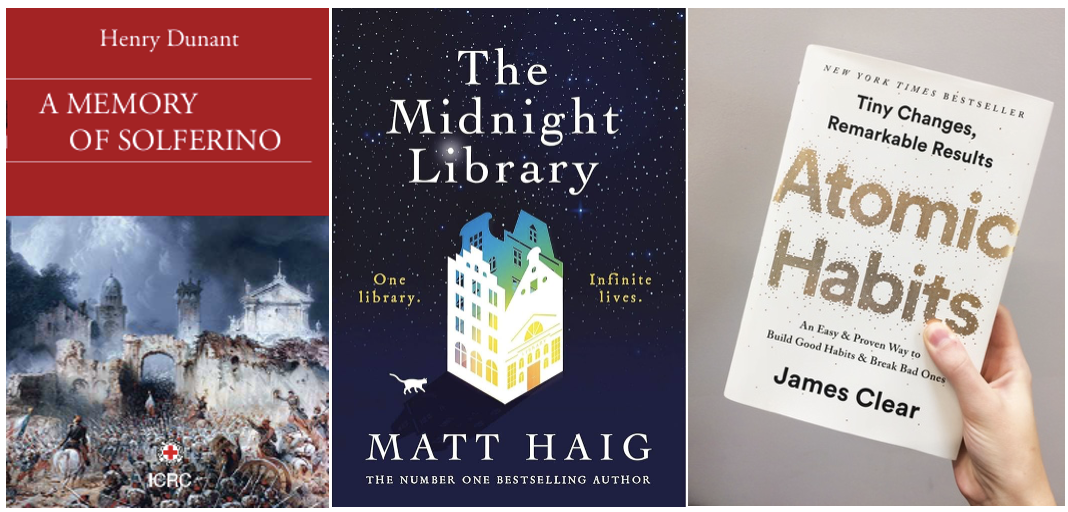
One book – three actually: Henry Dunant's A Memory of Solferino, the founding text of the humanitarian movement, a reminder that it all started with one person who refused to look away. And The Midnight Library by Matt Haig, because it asks the question every driven person eventually has to sit with: what does a life well-lived actually look like? Atomic Habits by James Clear, because it changed how I think about the relationship between small actions and lasting change.
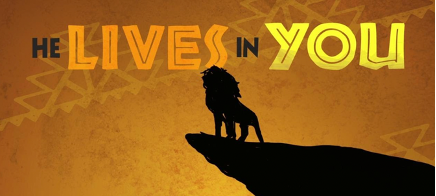
One piece of music: "He Lives in You" from The Lion King. It carries something real about legacy – about what we inherit and what we pass forward. That feels very connected to why I do this work.
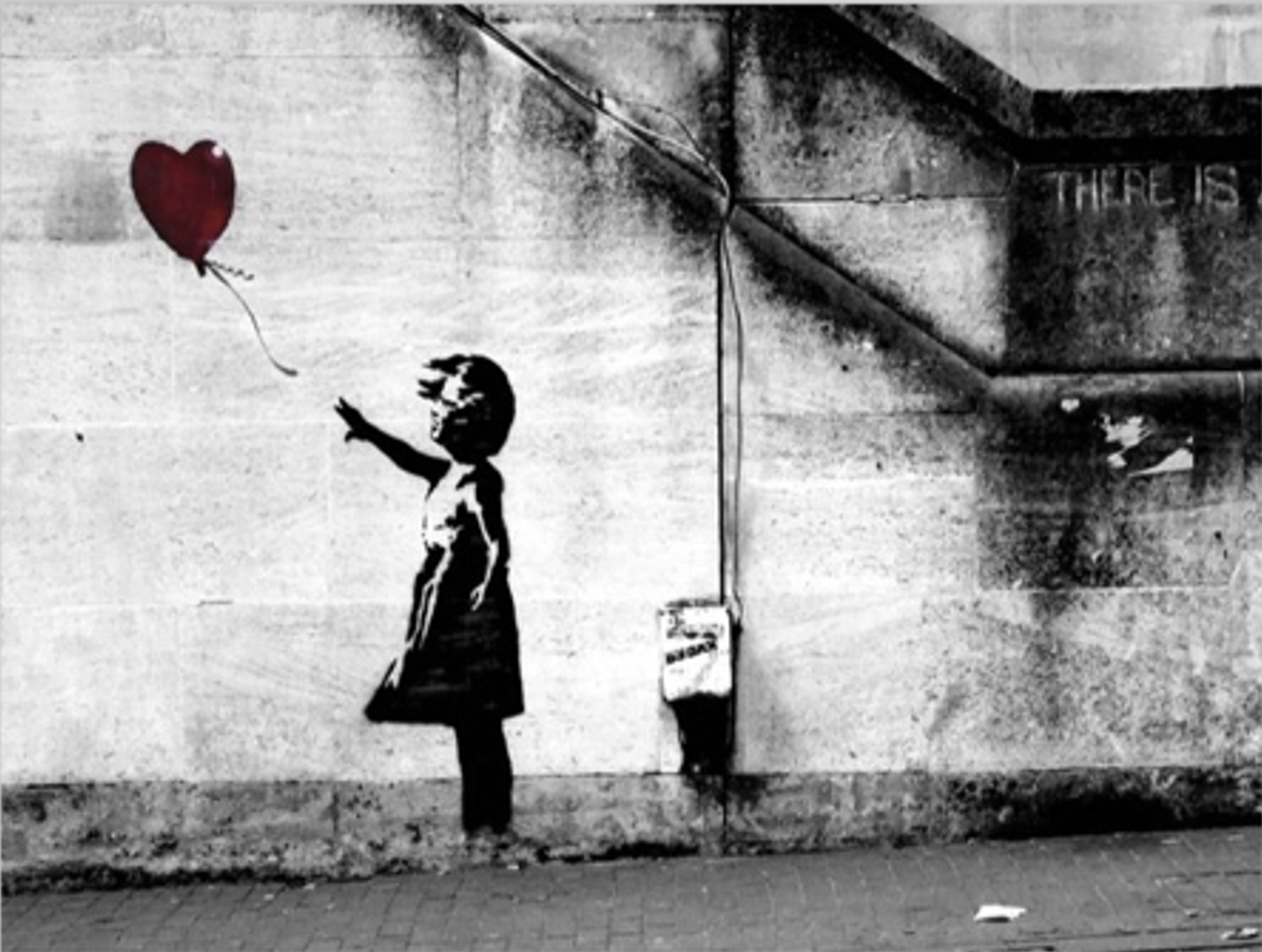
One artwork: Girl with Balloon by Banksy. Hope that is always slightly out of reach – but worth reaching for.
One technology: not sure.
What voices do you return to when the world feels overwhelming?
Jay Shetty, for translating complex emotional and ethical questions into something accessible and actionable. Tom Fletcher, for his clarity on humanitarian action and what the future of this sector must look like. And Emma Watson – for showing what it means to use a platform with both intention and humility.
Rethinking Time
With "rethinking time" in mind: what would it mean for you personally, and for society, to act earlier, not louder?
For me personally, it comes back to what CYH is built on: the belief that you don't have to wait for a crisis to act on humanitarian values. Every person already has a sphere of influence – in their work, their decisions, the way they treat others. Acting earlier means activating that sphere now, not when things fall apart.
At CYH, we talk about Skill Activation: the idea that a journalist, an engineer, a teacher, a manager – each of them can contribute to a more humane world from exactly where they already stand. We don't ask people to donate or protest or leave their careers. We ask them to look at what they already do, and find where humanitarian values can live inside it. That is acting earlier. Not waiting until the next disaster. Starting now, with what you have.