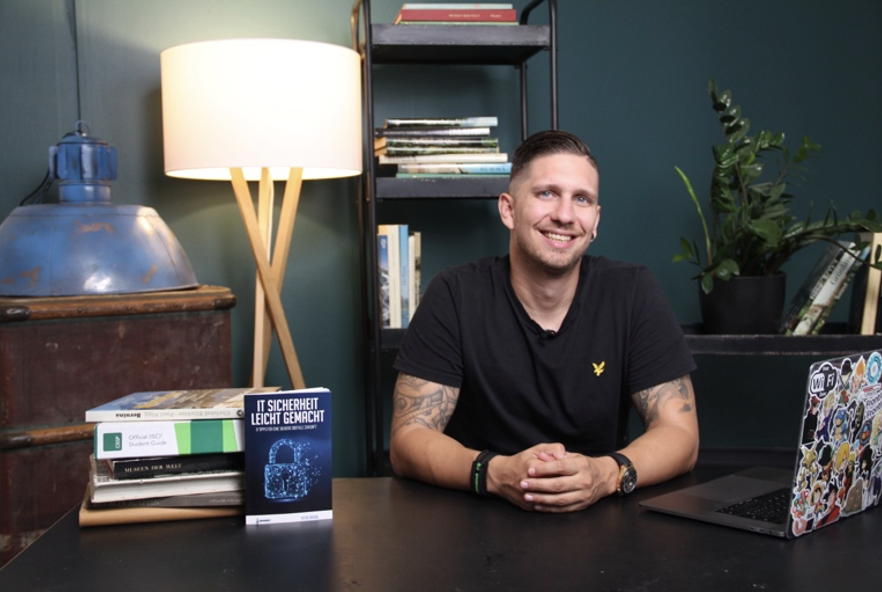
What if cybersecurity isn't a tech problem, but a habits problem?
Cybersecurity as a Human Issue
At what point did you recognize cybersecurity as a human and societal concern rather than purely technical, and how has the perception that it is "someone else's responsibility" shaped your approach?
Tech can feel abstract or intimidating to a lot of people, but the reality is that almost everything in our lives runs on it now. So avoiding it isn't really an option anymore.
I noticed early on that many people don't avoid cybersecurity because they don't care, but because it feels complicated and overwhelming. That shaped how I work. Instead of pushing more information or fear, I try to make things simpler and more routine. Not as something you need to fully understand, but as habits you build.
I think of cybersecurity the same way we think about everyday safety. You look left and right before crossing the street. You brush your teeth without debating it every day. These aren't expert skills, they're normal routines. When security becomes part of daily life instead of "something someone else handles," people stop being afraid of it and start feeling in control.

Cybersecurity in Everyday Life
For non-technical users, what are the most important everyday practices for staying safe online, why are they not yet widely understood, and how do common habits and misconceptions influence long-term security?
First, use a password manager. Yes, it makes you more secure, but just as importantly, it removes thinking from the equation. It lets you use a different password everywhere without having to remember or invent anything. Security works better when it's easy.
Second, turn on multi-factor authentication for the important accounts. Email, banking, social media. That way, even if a password leaks, access still stops at your phone. It's a small setup cost that buys a lot of protection.
Third, have backups. Not because something will definitely go wrong tomorrow, but because at some point something always does. Devices fail, accounts get locked, data disappears.
These behaviours often go unnoticed because nothing bad happens immediately. Skipping an update or reusing a password feels harmless in the moment. The cost shows up later, all at once.
One of the most misunderstood ideas about cybersecurity is that attacks are usually targeted. Most of the time they're not. They're automated. Bots try leaked usernames and passwords across thousands of services and only flag what works. That randomness is exactly why unique passwords and multi-factor authentication matter so much.
The real truth is that you don't need to be a tech expert to be safer than most people. You just need a few simple habits that happen before later shows up.
From Fear to Proactive Security
How can people adopt proactive cybersecurity habits without feeling overwhelmed, and what mindset change would make the greatest difference in their everyday digital safety?
Cybersecurity feels abstract because nothing happens when you skip it. You reuse a password, ignore an update, don't set up a backup, and your day goes on. So people only react once something breaks, and by then it's already stressful.
The shift away from fear is to stop treating security as an emergency and start treating it as basic maintenance. Not everything at once, not perfectly, just a few small things that reduce the blast radius when something goes wrong.
If there's one mindset that helps, it's accepting that problems will happen at some point. Once you accept that, security stops being about panic and starts being about preparation.
You don't do these things because you're afraid. You do them so that when something eventually goes wrong, it stays a small problem instead of turning into a big one.
Digital Citizenship for Youth
What should young people understand about protecting their privacy, identity, and future prospects in a constantly connected world?
With the internet and AI, you have access to almost unlimited opportunities. You can learn anything, build anything, reach anyone. That's powerful, if you use it to create instead of just consume.
At the same time, think twice about what you post. The internet doesn't forget. Screenshots exist. Data gets copied. What feels funny or harmless today might look very different later.
And just because a celebrity or a friend is doing something online doesn't mean you have to. You control your digital footprint. Use it to build options, not limit them.
Honestly, I don't think teenagers today are fundamentally different. We were the same. At that age, most people don't think much about consequences. That's normal.
The biggest blind spot is assuming that nothing will happen.
A simple shift would be to occasionally ask yourself: if this goes wrong, do I want to deal with the consequences? If the answer is no, maybe take 30 seconds and adjust. Use a different password. Turn on extra protection. Don't post it.
Is empowerment more effective than fear in teaching digital risk to young people, and at what stage should cybersecurity education begin in schools?
I don't think fear-based warnings work long term. Fear might change behaviour briefly, but it doesn't build confidence or understanding.
Awareness and empowerment work better. Teach young people how digital systems actually function, how accounts get compromised, and what the real consequences can be. Not in a dramatic way, but in a realistic one. When people understand what can potentially happen and why, they make better decisions.
I do think cybersecurity should be part of basic education. Digital life is real life. The earlier we introduce simple concepts like password hygiene, privacy settings, and account protection, the more natural they become.
The goal isn't to create experts. It's to make safe behaviour normal and easy.
If we focus on awareness and make prevention simple, that's far more effective than trying to scare anyone.
Cybersecurity Myths & Realities
What is the biggest myth about cybersecurity that you wish the public would stop believing?
The biggest myth is that cybersecurity incidents are usually targeted. Most people think that if something happens to them, it's because someone specifically chose them.
In reality, most attacks are automated and opportunistic. Bots test leaked usernames and passwords across thousands of services. They don't care who you are. They just look for what works.
That misunderstanding creates two problems. People either feel too unimportant to be affected, or they assume that if they're not doing anything controversial, they're safe.
The truth is simpler. You're not being singled out. You're just part of a very large, automated system. And that's exactly why small habits like unique passwords and multi-factor authentication matter so much. They make you a hard target in a world that mostly looks for easy ones.
Personal Cybersecurity Practice
How do you protect your own digital life, and which habits do you consistently maintain?
I try to follow the same advice I give to everyone else.
I use a password manager so every account has a different password. Multi-factor authentication is turned on everywhere it matters. Backups are active on the devices and data I care about. I update my apps and systems regularly, at least weekly, so I'm not sitting on known vulnerabilities.
I'm also careful with links and attachments, especially when something creates urgency. And when I travel or use public networks, I use a VPN.
There's no secret setup behind the scenes. I just try to reduce avoidable risk and make the basics automatic. The goal isn't to be unhackable. It's to make sure that if something happens, it stays manageable.
What is a key lesson you learned from a cybersecurity mistake that others could benefit from?
One of the biggest lessons I've learned is that 100 percent security isn't achievable. And chasing it usually leads to frustration or burnout.
For a long time, especially early in my career, I thought the goal was to eliminate all risk. It isn't. The goal is to reduce avoidable risk and limit the damage when something goes wrong.
Do your homework. Those simple steps already move you ahead of most problems.
Security isn't about control over everything. It's about preparation for reality.
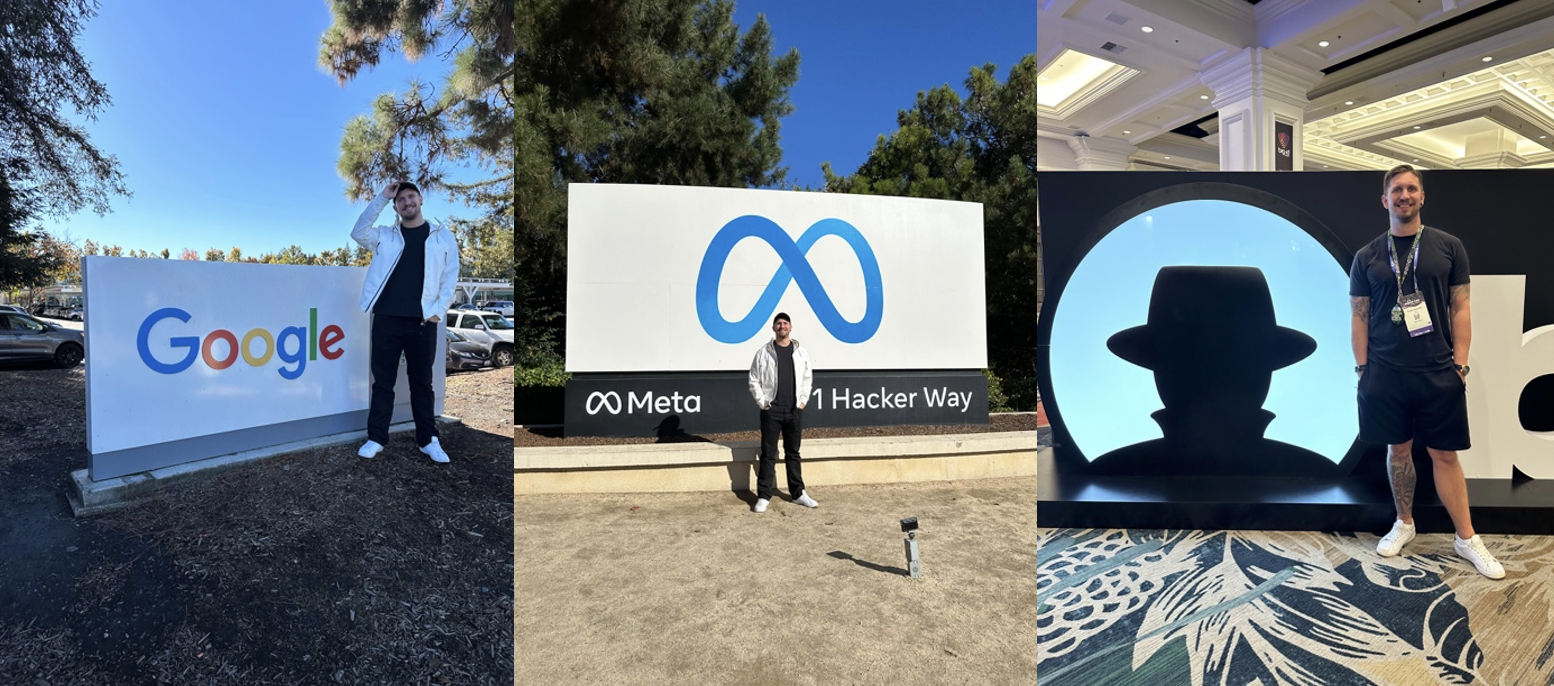
What advice would you give to adults who feel less confident engaging with digital technologies?
Be honest with yourself.
You've probably been telling yourself the "I'm too old for this" story for 10 or 20 years already. At some point, that's not about age anymore. It's just avoidance.
Tech is here. It's not leaving. It runs your bank, your communication, your photos, your appointments. Pretending it's optional doesn't make it disappear.
So maybe it's time to be a beginner again. To learn something new. Not everything. Just enough to stay capable.
You might be surprised how much of an entire world opens up once you stop resisting it.
Cybersecurity & Collective Responsibility
What role do companies and governments have in protecting individuals, and where does individual responsibility start?
Phuuu, that is a big one.
Governments should enable education. When I was a kid, a police officer came to school and taught us how to cross the street and ride a bike safely. We didn't call that "traffic strategy." It was just basic life skills.
Digital life is no different anymore. Cybersecurity should be introduced early, in simple and practical ways. Not technical depth, just awareness. How accounts work. Why passwords matter. What data is. If that starts early, security stops feeling abstract later.
Companies have a huge responsibility. They build the systems we all rely on. That means security cannot be an afterthought or buried somewhere under IT as a purely technical function. Cybersecurity hasn't been just an IT issue for a long time. It's business risk, trust, and reputation. It needs a seat at the big table.
At the same time, individuals still have to do their homework.
Think about a bike, a car, or skis. You learn how to use them, and you maintain them. If you don't, you crash or things stop working. Digital life is similar. You don't need to understand the engineering, but you do need basic cyber hygiene.
So governments enable. Companies design responsibly. And individuals build simple habits. That's how it works long term.
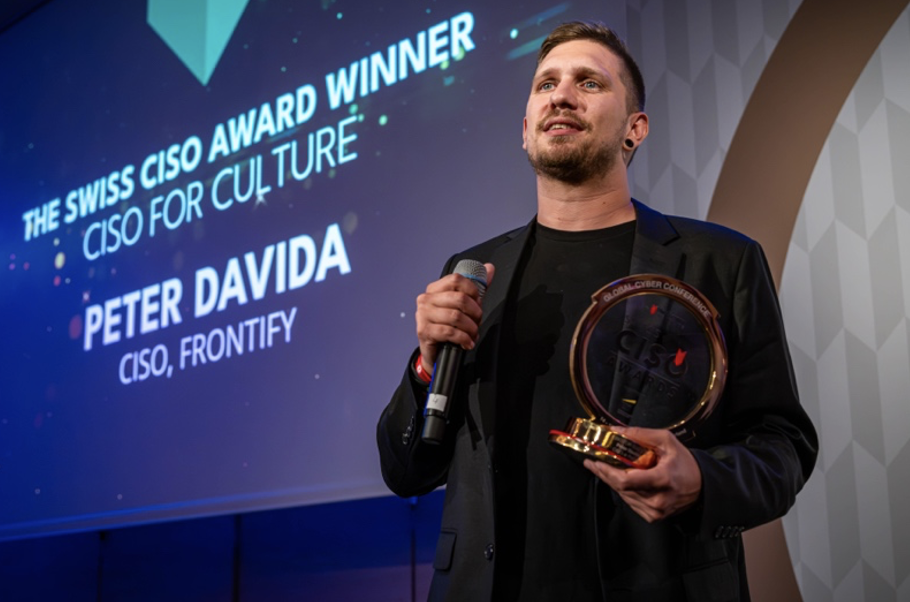
Do you think society is ready for the next wave of digital threats — AI-based scams, deepfakes, automated cybercrime — or are we still playing catch-up?
No one is fully ready. And that's normal.
Technology always moves faster than regulation, education, and behaviour. We've been playing catch-up since the internet started. That's not a failure, it's just how innovation works. We build, we learn, we adapt.
AI-based scams and deepfakes will raise the bar. They'll look more convincing, more personal, more automated. But the core defence doesn't suddenly change. Strong account protection, healthy scepticism, and basic cyber hygiene still remove a huge amount of risk.
If individuals get the fundamentals right, they'll be reasonably resilient, even in a more advanced threat landscape.
Companies definitely face bigger structural challenges. Automation at scale creates automation at scale on the attack side as well. That's where governance, architecture, and leadership really matter.
So no, we're not fully ready. But we don't need to be perfect. We need to stay adaptable. That's the real long-term defence.
The "Peter Davida Collection"
If you were to create a personal collection that represents you — physically and philosophically — what would be in it and why?
One book that shaped how you think about security, risk, or technology:
"The Cafe on the Edge of the World" or any other book by John Strelecky.
It's not about security or technology at all, but it made me question everything, starting with life itself. What matters, what doesn't, and why we do what we do. That mindset carries over into how I think about risk and security.

One piece of music that reflects your relationship with focus and attention
I'd say it's either very loud, aggressive metal or completely calm piano without vocals. Both help me focus, just in different ways. The loud stuff helps me power through task lists and execution. It creates energy and blocks out distractions. The piano is different. It helps me think. When I need space for creative or strategic work, instrumental music keeps my mind clear without pulling attention away. Two extremes, but both are about focus.
One artwork that speaks to the tension between human vulnerability and technological power
Probably Mary Shelley's Frankenstein.
Not because of the monster, but because of the ownership failure behind it. Victor builds something incredibly powerful, proves it can be done, and then steps away from the responsibility that comes with it. That is where everything starts to break.
The story is not anti-technology. It is about what happens when capability moves faster than accountability. Humans are emotional, flawed, reactive. Technology just amplifies whatever mindset sits behind it.
For me, that is the core tension. Power is not the problem. Failing to take responsibility for it is.
One piece of technology that you believe best expresses how we should live with digital tools
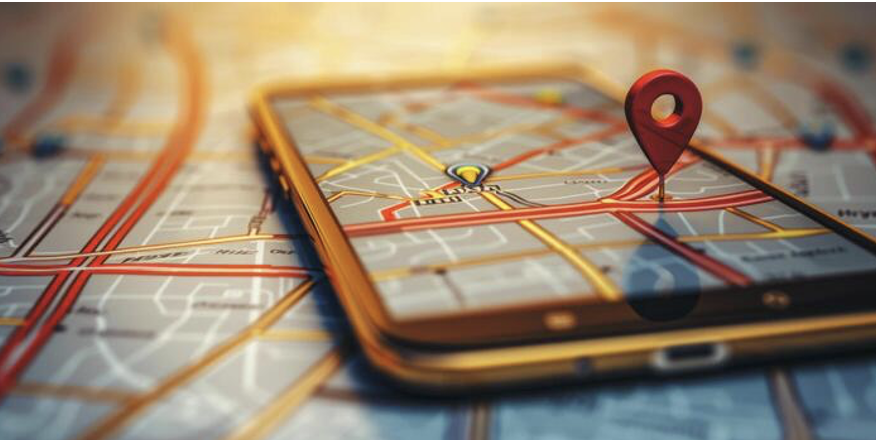
GPS navigation on a smartphone.
It's something we use almost daily without thinking about it. It removes friction, saves time, reduces stress, and makes the world more accessible. You can explore new places without fear of getting lost.
For me, that's how we should live with digital tools. They should empower us, remove unnecessary barriers, and quietly make life easier. Not dominate our attention but support our direction.
One life philosophy, concept, or idea that you would want every generation to carry forward
Personal responsibility.
You can't control where you start. You can't control everything that happens to you. But you control what you do next.
That idea is close to Stoicism, the focus on controlling your response instead of blaming circumstances. The past explains things, but it shouldn't define your ceiling.
Every generation should carry that forward. Progress is possible, but responsibility for your direction ultimately sits with you.
That mindset creates growth, not excuses.
Rethinking Time
If you could go back to when you first started in cybersecurity and give your younger self one piece of insight about time, change, and technology — what would you say?
First, I would probably say: buy as much Bitcoin as you can.
But honestly, I don't think I would change much.
If I could give my younger self one real piece of advice, it would probably be this: Make a decision. Commit to it. And if it turns out to be wrong, decide again. Adjust. Move.
Time is the only resource you don't get back. So, spend less of it doubting yourself and more of it building, learning, and adapting.