It's not time itself that causes stress — it's the time pressure we put upon ourselves.
Personal & Professional Origins
You've worked at the intersection of stress, performance, and well-being — was there a turning point where you realized that time itself was a root challenge for modern stress?
Well, it's not so much time itself that causes stress but much rather the time pressure we put upon ourselves. Everything must be done immediately; we jump from deadline to deadline. Even small chores: we quickly put the dishes away, we just need to finish up, it'll just take a second. Being in a constant hurry is toxic for our nervous system.
Was there a moment when you recognized that commonly accepted productivity or performance norms are actually harmful to human health?
Yes, when it comes to expecting humans to function like machines, delivering the same level of productivity every single day. But we're human, we move in waves — our energy shifts, just like seasons do. Especially women don't follow just a 24-hour rhythm, but also a 28-day cycle. Health doesn't come from adding more pressure, but from balancing focus and high performance with pauses, lightness, and space to think.
Rethinking Time & Stress
Stress is often framed as external pressure, but how much of it is created by our internal model of time?
Actually, stress is mostly created by our internal thoughts and beliefs. The same situation can make one person extremely anxious, while another stays completely relaxed. For example, when we're running late, my husband remains the calmest person ever, while I spiral into stress, worrying about every little thing. But even if we can't change the situation, we can choose how we deal with it.
If stress were a message about how we relate to time, what is it trying to tell us?
If stress had a message, it would whistle us back like a dog: "Come back here". We tend to dwell on the past or worry about the future. Planning ahead matters, but we lose ourselves when we forget to stay present in the moment we are actually living.
Technology, Attention & Well-Being
Technology promises connection but often leads to distraction and overwhelm — do you think digital culture has created new forms of stress that didn't exist before?
Our biological stress response hasn't changed, but the triggers have. What used to be a dangerous predator in the bushes is now the ping of a message, yet our body still reacts with fight, flight, or freeze. And because everything happens so fast, we've also built this expectation of immediate response, which keeps our nervous system constantly activated.
What's one simple daily tech habit most people could change that would improve their stress levels immediately?
The classics: tech-free timeslots, keeping your phone out of the bedroom, and using warm lighting in the evening to help you unwind.
Time, Habits & Human Behavior
How do people unknowingly build stress into their routines and what's the first step toward breaking those cycles?
People often build stress unconsciously by running on autopilot, by not being aware of themselves. They get pulled into the current of their day instead of actively shaping it. The first step is to step back and take a bird's-eye view: notice your own patterns and (re-)discover this little space between external stimulus and internal response. Because that's where you regain choice — whether to react with haste or with calm.
What is the biggest misconception about time management that actually worsens stress?
The biggest misconception is that we need to manage our time better, when in reality, it's much more about managing our energy. Instead of filling your calendar with random time slots, align your tasks with your natural energy levels. For example, I do my best deep thinking in the evening — when it's dark, quiet, and I can be fully in my own space. But when it comes to execution or connecting with others, that's where my afternoons tend to be most effective. So, I try to structure my days in a way that works with my energy, not against it.
Well-Being, Purpose & Future Focus
How do you define well-being in a world that constantly measures achievement and success?
By redefining success. Many people carry the belief: "I am only worthy if I perform" — often because they were primarily praised for achievements like good grades growing up. Over time, this creates a deep link between self-worth and productivity. Real well-being begins when we start to gently decouple the two and to apply our very own standards. Success isn't just getting the next promotion, it's the small wins: being kind to a stranger, speaking up, taking a breath, and showing up for yourself every day.
What is one future habit you believe will shape healthier generations — personally, socially, or structurally?
I believe awareness and acceptance of mental health will become fundamental. Taking care of yourself will become a new status symbol — even more than career or external success. That shift in priorities will hopefully shape healthier generations.
If society were to redesign its concept of "work" and "leisure," what would that look like to you?
I would move away from a strict separation and towards more natural rhythms. Cycles of focus, rest, creativity, and recovery would flow more flexibly. It would be less about how long we work and more about how effective and aligned we are in our work.
Resilience & Growth
What do you see as the biggest psychological blind spot in how people try to "fix stress"?
The biggest blind spot is the idea that we need to "fix" stress. That mindset again creates more pressure just to function "better". The deeper question is: when do we actually start living, instead of constantly optimizing?
The "Tanja Bredemeier Collection"
One book that shaped your idea of well-being
"The Alchemist" by Paulo Coelho.

One piece of music that reflects your philosophy of time and calm
The genre of Lo-Fi music always calms my mind and slows my breath. I love having it playing in the background while I work.
One technological tool that actually supports deep focus or recovery
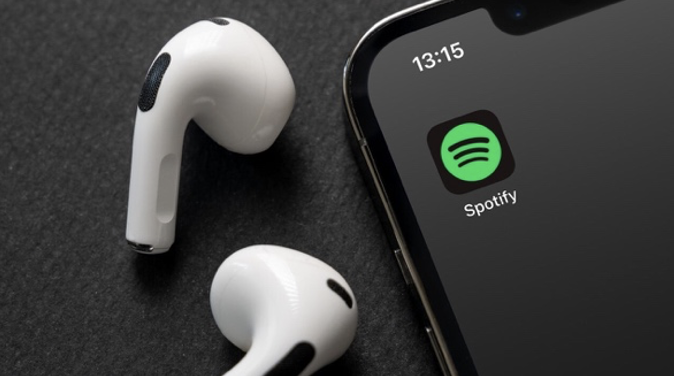
A well curated Spotify playlist and good headphones :)
One practice or habit you think everyone should adopt
Taking a deep breath — one deep, mindful breath can shift so much.
One idea or quote you'd gift to the next generation
My granddad always used to say, "Who knows what it was good for…" and it helped me in so many situations not to drown in frustration, but to trust the universe that everything will somehow turn out fine, even if I can't see it yet — and it did ;)
Closing Reflection
With the TEDx theme rethinking time in mind, what would your new definition of time be for a life well-lived?
A life well-lived measures time by the quality of our attention, the depth of our connections, and the moments we fully experience, not by how much we check off on a to-do list. It's less about how long we live and more about how fully we live each moment.